

1. What Is Calcium Chloride? Core Physical and Chemical Properties
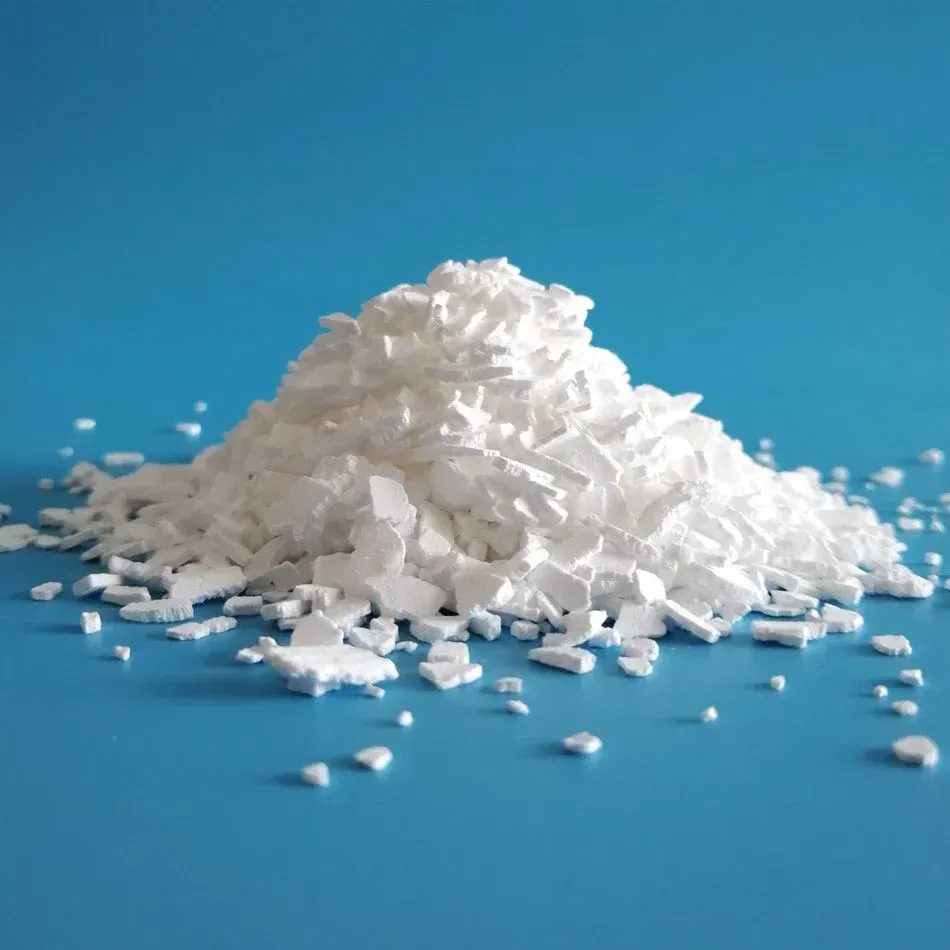
Calcium chloride (CaCl₂) is a versatile inorganic chemical compound widely applied in industrial, food, pharmaceutical and environmental fields. Presented as colorless, odorless crystals, flakes or pellets in pure form, it features strong hygroscopicity and excellent water solubility. A distinct characteristic of Calcium chloride is its exothermic dissolution in water, which releases obvious heat and enables its unique functions in deicing, drying and temperature-adjusting scenarios. Stable and non-flammable with low volatility, this compound has become a fundamental chemical material for modern industrial production and daily application.
Calcium chloride has three common forms: anhydrous, dihydrate and hexahydrate. Anhydrous calcium chloride boasts supreme moisture absorption capacity, capable of absorbing water vapor multiple times its own weight, making it a high-efficiency industrial desiccant. Hydrated calcium chloride features better room-temperature stability, ideal for liquid preparation and food processing. Its outstanding freezing point depression effect allows it to lower water’s freezing point significantly. Compared with traditional sodium chloride deicers, it works stably at temperatures as low as -30°C, with lower equipment corrosion and better environmental adaptability, showing unique advantages in extreme low-temperature environments.
With high boiling point and stable chemical properties, calcium chloride maintains consistent performance in high and low temperature conditions. Its aqueous solution has good conductivity and frost resistance, which is the core reason for its wide use in refrigeration, road maintenance and concrete engineering. Moderate-dose calcium chloride is non-toxic, meeting the safety standards for industrial and food-grade auxiliary materials after standardized purification.
2. Industrial Core Applications of Calcium Chloride
2.1 Road Deicing, Snow Melting and Dust Control
Road maintenance is one of the largest application scenarios for calcium chloride worldwide. Relying on exothermic dissolution and freezing point depression properties, it serves as a high-efficiency deicing and snow-melting agent for highways, airport runways and urban roads. When spread on icy surfaces, it quickly dissolves with residual moisture to generate heat, rapidly melt compacted snow and ice, and prevent secondary icing. It outperforms traditional deicing salts in ultra-low temperature environments, ensuring traffic safety in cold winter regions.
Beyond winter deicing, it acts as an eco-friendly dust suppressant in dry seasons. Construction sites, mining areas and unpaved roads are prone to flying dust that pollutes the air and endangers operational safety. Spraying diluted calcium chloride solution can keep road surfaces slightly moist via persistent hygroscopicity, lock surface dust for a long time, and stabilize road foundations to avoid cracking and loosening. This low-cost, long-lasting dust control solution is widely adopted in infrastructure and mining industries.
2.2 Construction Concrete Auxiliary Agent
In the construction industry, calcium chloride is a commonly used concrete setting accelerator and antifreeze agent, solving the bottleneck of slow concrete solidification in low-temperature environments. Adding a reasonable dosage can accelerate cement hydration, shorten concrete setting time and boost early strength growth, effectively improving winter construction efficiency and shortening project cycles.
2.3 Industrial Drying, Refrigeration and Wastewater Treatment
As a high-performance desiccant, calcium chloride is superior to traditional silica gel desiccants, maintaining efficient moisture absorption under high temperature and high humidity. It is widely used for dehumidifying industrial gases such as nitrogen and oxygen, as well as moisture-proof protection for chemical raw materials, electronic products and container transportation, effectively avoiding material mildew and performance degradation caused by dampness.
Its aqueous solution is a classic low-temperature cold carrier for industrial refrigeration systems, cold storage and ice-making equipment, featuring low freezing point and stable fluidity to ensure efficient and continuous refrigeration. In environmental protection, it serves as an efficient flocculant and precipitant for industrial wastewater treatment, removing suspended solids, heavy metal ions and organic impurities, reducing water turbidity and helping enterprises meet sewage discharge standards.
3. Food-Grade Calcium Chloride Applications in Food Processing
Food-grade calcium chloride is a globally approved safe food additive, purified and strictly tested to eliminate harmful impurities. Different from industrial-grade products, it meets food safety standards completely and is widely used in food shaping, fresh-keeping, texture improvement and nutritional fortification. Reasonable application of Calcium chloride will not cause toxic side effects, making it an indispensable auxiliary material in the modern food industry.
In fruit and vegetable processing, it acts as an effective firming agent and fresh-keeping agent. For canned vegetables and fruits, adding a small amount of calcium chloride can prevent tissue softening and collapse during high-temperature sterilization and long-term storage, retaining the crisp texture of ingredients and extending product shelf life. It also inhibits microbial reproduction on fresh produce, reducing rot and deterioration during transportation and storage.
In soybean product processing, it is a high-quality coagulant for tofu and bean curd. It enables uniform solidification of soybean protein, producing tofu with delicate, firm texture and good water retention without bitter taste. Additionally, it is used for calcium fortification in beverages and dairy products, supplementing dietary calcium for human bodies and improving food nutritional value. It is also a key material for molecular cuisine and special food processing, with safe and stable application effects.
4. Medical and Pharmaceutical Value of Calcium Chloride
Calcium chloride has important clinical medical value and is a conventional emergency and nutritional drug in hospitals. Clinically, it is mainly used to treat acute hypocalcemia, rapidly raising blood calcium concentration to relieve tetany, abdominal colic and neonatal hypocalcemic convulsions caused by calcium deficiency. It also provides calcium supplementation for patients with rickets, osteomalacia, as well as pregnant and lactating crowds, maintaining human calcium metabolism balance and bone health.
Moreover, it has obvious anti-allergy, anti-inflammatory and detumescent effects, widely used in auxiliary treatment of urticaria, allergic dermatitis and vascular neuroedema. In pharmaceutical preparation, it is a core raw material for calcium supplement injections, hemostatic agents and emergency antidotes. It is also the first-choice drug for clinical rescue of magnesium and fluoride poisoning, which can quickly antagonize toxic ions and relieve poisoning symptoms, playing an irreplaceable role in emergency medical treatment.
5. Safety Usage and Storage Precautions
Despite high practicability and low toxicity, calcium chloride requires standardized use and scientific storage. First, grade distinction must be strictly implemented: industrial-grade products are limited to industrial production and environmental treatment, and are forbidden for food and medical use; food-grade and pharmaceutical-grade products must be used in corresponding scenarios with controlled dosage.
In operation, its powder may irritate skin and respiratory tract. Operators need to wear dust masks, gloves and goggles to avoid direct contact and dust inhalation. Eye or skin contact with a large amount of powder requires timely cleaning with clean water and medical treatment if discomfort occurs. When preparing aqueous solution, users should add calcium chloride slowly into water to prevent excessive local heat release and liquid splashing scalds.
For storage, products should be placed in dry, ventilated and rain-proof warehouses, kept away from acidic substances and humid environments to prevent deliquescence and failure. Materials need to be isolated from the ground and walls for moisture prevention, with packaging kept sealed and intact. During transportation, avoid packaging damage and rain soaking to ensure stable product performance.
Conclusion
In summary, calcium chloride covers multiple core application fields including industry, food processing and medical treatment. Its unique physical and chemical properties of moisture absorption, exothermic dissolution, freezing resistance and coagulation make it a multi-functional chemical raw material. With the continuous development of industrial technology and upgrading of safety standards, the application scenarios of Calcium chloride will be further expanded, and its market value and industrial importance will continue to grow, providing solid support for the high-quality development of various industries.


