

Hydrobromide: Properties, Applications and Sourcing Considerations for Global Buyers
Introduction
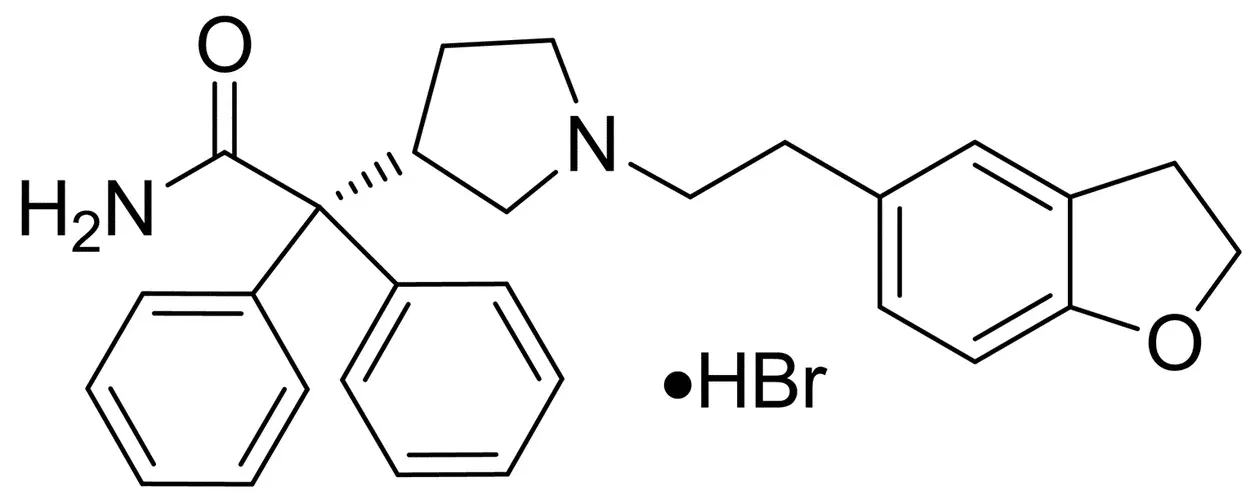
Hydrobromide is a term frequently encountered in the pharmaceutical, chemical, nutraceutical, and specialty chemical industries. However, for many international buyers, distributors, formulators, and procurement professionals, the term can sometimes create confusion because hydrobromide is generally not a single universal product. Instead, it commonly refers to the hydrobromide salt form of a specific compound or active ingredient.
For example, well-known compounds such as dextromethorphan hydrobromide, bromhexine hydrobromide, and other pharmaceutical intermediates or active ingredients may be supplied in hydrobromide form to improve their chemical properties, stability, solubility, processing characteristics, or suitability for formulation.
For B2B buyers, understanding hydrobromide is therefore not simply a matter of knowing its chemical name. Successful sourcing requires a broader understanding of the product's chemical characteristics, functional advantages, application scenarios, quality specifications, regulatory considerations, packaging requirements, and supplier capabilities.
This article provides a comprehensive overview of hydrobromide from three essential perspectives:
- What is hydrobromide and how is it used as a chemical or pharmaceutical salt form?
- What are the major physical and chemical properties that buyers should evaluate?
- What industries and applications create demand for hydrobromide compounds?
Whether you are sourcing pharmaceutical raw materials, specialty chemicals, intermediates, or finished ingredients for distribution, this guide can help you better understand the hydrobromide market and make more informed purchasing decisions.
1. What Is Hydrobromide? Product Introduction and Basic Chemical Understanding
Understanding the Meaning of Hydrobromide
Hydrobromide generally refers to a compound that has been converted into a salt through its reaction with hydrobromic acid. In many commercial applications, a basic organic compound reacts with hydrobromic acid to form a more stable or processable hydrobromide salt.
This is an important distinction for buyers because the hydrobromide form of a compound may have significantly different commercial and technical characteristics compared with the corresponding free base.
For example, converting an active compound into a hydrobromide salt may influence:
- Water solubility
- Stability during storage
- Crystal structure
- Melting behavior
- Handling characteristics
- Bioavailability
- Formulation compatibility
- Purification and manufacturing processes
Therefore, when a buyer requests a hydrobromide product, the complete chemical identity should always be confirmed. Simply specifying "Hydrobromide" may not be sufficient for commercial sourcing because multiple compounds can exist in hydrobromide form.
Professional procurement specifications should ideally include information such as:
- Full product name
- CAS number
- Molecular formula
- Molecular weight
- Assay or purity requirement
- Grade requirement
- Intended application
- Required documentation
- Packaging specification
- Destination country or region
This information helps suppliers provide an accurate quotation and reduces the risk of ordering the wrong material.
Why Are Compounds Converted into Hydrobromide Salts?
Salt formation is a widely used approach in pharmaceutical and specialty chemical manufacturing. Many organic compounds in their free-base form may have limitations related to solubility, stability, crystallization, or formulation.
The hydrobromide form may offer practical advantages depending on the molecular structure of the compound.
One of the most important benefits can be improved solubility. A compound that is poorly soluble in water in its free-base form may become more suitable for certain formulations after conversion into a salt.
This can be particularly important in pharmaceutical manufacturing, where the solubility of an active ingredient may affect:
- Tablet formulation
- Capsule production
- Liquid preparations
- Injectable formulations
- Dissolution performance
- Manufacturing consistency
Another advantage may be improved stability or more predictable physical properties. Crystalline salt forms can sometimes be easier to isolate, purify, transport, store, and process compared with free-base materials.
For manufacturers, this means that the selection of a hydrobromide form may be part of a larger product development strategy.
Hydrobromide Is Not Always a Generic Commodity
From a sourcing perspective, hydrobromide products should generally not be treated as interchangeable commodities.
Different hydrobromide compounds can have completely different:
- Chemical structures
- Purity requirements
- Production processes
- Regulatory classifications
- Storage requirements
- Applications
- Quality standards
- Market prices
For example, a pharmaceutical-grade hydrobromide may require significantly stricter quality control compared with a material intended for industrial research or chemical synthesis.
International buyers should therefore avoid purchasing based on price alone.
A reliable supplier should be able to clarify the exact product identity and provide appropriate technical documentation.
Depending on the product and application, buyers may request:
H3: Certificate of Analysis (COA)
The COA normally provides key quality information such as:
- Assay
- Appearance
- Identification
- Moisture or water content
- Related substances
- Heavy metals, where applicable
- Residual solvents, where applicable
- Other product-specific parameters
H3: Safety Data Sheet (SDS)
An SDS helps buyers understand:
- Hazards
- Safe handling requirements
- Personal protective equipment
- Storage conditions
- Transportation information
- Emergency procedures
H3: Technical Data Sheet (TDS)
The TDS may provide additional technical information regarding:
- Physical properties
- Solubility
- Chemical characteristics
- Recommended storage
- Product specifications
For international B2B procurement, documentation is often just as important as the physical material itself.
2. Hydrobromide Properties and Performance Characteristics
Physical Properties Depend on the Specific Compound
One of the most important things for buyers to understand is that there is no single universal physical specification for all hydrobromide products.
The appearance of a hydrobromide compound may vary depending on its chemical structure and manufacturing process. Many products are supplied as:
- White powder
- Off-white powder
- Crystalline powder
- Crystals
- Granules
- Other specialized forms
Particle size may also be important, particularly for pharmaceutical manufacturing or formulation processes.
For example, a buyer producing tablets may require a different particle size distribution compared with a buyer using the material as an intermediate in chemical synthesis.
Therefore, particle size should be discussed during the technical evaluation stage rather than after production has already been completed.
Solubility as a Key Performance Factor
Solubility is one of the most important reasons why salt forms are used in chemical and pharmaceutical products.
However, solubility should never be assumed based only on the word "hydrobromide."
The actual solubility depends on factors such as:
- Molecular structure
- Temperature
- Solvent
- pH
- Crystal form
- Particle size
- Presence of other ingredients
For example, a hydrobromide compound may demonstrate favorable solubility in water or another solvent system compared with its corresponding free base.
This can provide practical benefits in formulation and manufacturing.
For B2B buyers, it is recommended to confirm the specific solubility requirements for the intended application.
Questions to discuss with the supplier may include:
- What solvent system is recommended?
- Is solubility data available?
- Has the product been tested at specific temperatures?
- Does particle size affect dissolution?
- Is the material suitable for the buyer's formulation process?
This technical communication can help prevent costly formulation problems later.
Stability and Storage Performance
Chemical stability is another critical consideration for hydrobromide products.
Depending on the specific compound, stability may be influenced by:
- Temperature
- Humidity
- Light exposure
- Oxygen
- Packaging conditions
- Storage duration
Some products may remain stable under normal warehouse conditions, while others may require controlled temperature or moisture protection.
For this reason, buyers should confirm:
- Recommended storage temperature
- Shelf life
- Retest period
- Sensitivity to moisture
- Sensitivity to light
- Packaging requirements
Moisture control can be particularly important for hygroscopic materials.
If a product absorbs moisture during transportation or storage, it may affect:
- Assay
- Flowability
- Appearance
- Processing performance
- Product consistency
For international shipments, packaging quality therefore becomes an important part of product quality management.
A reliable supplier should select packaging appropriate for the product and transportation route.
Typical packaging options may include:
- Fiber drums
- HDPE drums
- Aluminum foil bags
- Double PE bags
- Cartons
- Customized packaging
The final packaging should be selected according to product sensitivity, quantity, transportation method, and buyer requirements.
Purity and Quality Specifications
Purity is one of the most important purchasing criteria for hydrobromide products.
However, different applications may require different quality standards.
For example:
H3: Pharmaceutical Applications
Pharmaceutical applications may require strict control of:
- Assay
- Related substances
- Residual solvents
- Microbiological parameters
- Heavy metals
- Elemental impurities
- Specific impurities
H3: Chemical Synthesis
Chemical synthesis applications may focus more heavily on:
- Assay
- Identification
- Moisture
- Specific impurity profile
- Reactivity
H3: Research Applications
Research users may prioritize:
- High purity
- Batch consistency
- Small packaging
- Analytical documentation
The correct specification should therefore be determined by the end-use application.
A supplier should not simply claim that a material is "high quality." Professional B2B sourcing requires measurable specifications and supporting documentation.
Batch Consistency for Long-Term Buyers
For distributors and manufacturers, batch consistency can be more important than obtaining the lowest possible price for a single shipment.
If a buyer uses hydrobromide materials in a regular production process, significant batch-to-batch variation may create problems such as:
- Reformulation
- Production delays
- Additional testing
- Customer complaints
- Regulatory risks
- Increased manufacturing costs
Long-term buyers should therefore evaluate suppliers based on their quality management capabilities.
Useful questions include:
- How is raw material quality controlled?
- What testing is conducted before release?
- Are retained samples maintained?
- How are deviations handled?
- Can historical COAs be provided?
- Is batch traceability available?
These questions help buyers distinguish between a supplier that can provide a single shipment and a supplier capable of supporting a stable long-term supply relationship.
3. Hydrobromide Uses and Applications Across Different Industries
Pharmaceutical Industry
The pharmaceutical industry represents one of the most important application areas for hydrobromide compounds.
Many active pharmaceutical ingredients and pharmaceutical intermediates are produced or marketed in salt forms.
The hydrobromide form may be selected because it offers favorable characteristics related to:
- Solubility
- Stability
- Manufacturing
- Purification
- Formulation
Hydrobromide compounds may be used in the development and production of various pharmaceutical products depending on the specific active ingredient.
Possible dosage forms may include:
- Tablets
- Capsules
- Oral solutions
- Syrups
- Other specialized pharmaceutical formulations
It is important to note that the suitability of a hydrobromide compound for pharmaceutical use depends on the specific product, regulatory approval status, manufacturing standard, and intended market.
B2B buyers should therefore confirm whether the material is intended for:
- API manufacturing
- Pharmaceutical intermediate production
- Research and development
- Finished dosage formulation
These categories may have different documentation and quality requirements.
Dextromethorphan Hydrobromide and Related Applications
One of the most widely recognized examples is dextromethorphan hydrobromide.
Dextromethorphan hydrobromide is commonly used as the hydrobromide salt form of dextromethorphan in certain pharmaceutical products.
However, buyers should understand that sourcing pharmaceutical ingredients requires careful attention to:
- Product specifications
- Applicable regulations
- Import requirements
- Product registration
- Documentation
- GMP requirements where applicable
An important question frequently asked by buyers and consumers is whether dextromethorphan hydrobromide is the same as codeine.
The answer is no.
Although both substances may be associated with cough-related pharmaceutical applications, they are chemically different compounds with different pharmacological characteristics and regulatory considerations.
For B2B procurement, confusing these products would be a serious technical and commercial error.
Buyers should always source materials based on:
- Exact chemical name
- CAS number
- Molecular formula
- Applicable standard
- Intended application
rather than relying only on general descriptions.
Pharmaceutical Intermediate Manufacturing
Hydrobromide compounds can also play an important role in pharmaceutical intermediate production.
Chemical manufacturers may use specific hydrobromide materials as:
- Reaction intermediates
- Starting materials
- Isolated salt forms
- Purification intermediates
- Specialized chemical building blocks
In this application area, buyers may place greater emphasis on technical parameters such as:
- Chemical purity
- Impurity profile
- Water content
- Reaction compatibility
- Solubility
- Batch reproducibility
For chemical synthesis customers, close technical communication with the supplier is often essential.
Before purchasing large quantities, buyers may request:
- Sample testing
- Small trial orders
- Batch COA review
- Analytical method information
- Stability information
This can significantly reduce the risk associated with large-scale procurement.
Specialty Chemical Applications
Certain hydrobromide compounds are also used in specialty chemical applications.
Depending on the molecular structure, these products may be relevant to:
- Fine chemical manufacturing
- Organic synthesis
- Laboratory chemicals
- Chemical research
- Specialty formulations
The market for specialty hydrobromide products is often characterized by smaller volumes and higher technical requirements.
Unlike bulk chemicals, buyers may require customized services such as:
- Special purity specifications
- Customized particle size
- Small-batch production
- Private labeling
- Flexible packaging
- Technical documentation
For suppliers, this creates opportunities to compete based on technical service rather than price alone.
Research and Development
Universities, laboratories, pharmaceutical companies, and research institutions may purchase hydrobromide compounds for research purposes.
Research buyers often have different requirements compared with industrial customers.
They may need:
- High purity
- Small package sizes
- Detailed analytical documentation
- Fast delivery
- Strong traceability
Small packaging can be especially important.
A laboratory may require:
- 10 g
- 25 g
- 100 g
- 500 g
- 1 kg
while an industrial manufacturer may require:
- 25 kg
- 50 kg
- Multiple drums
- Customized bulk quantities
A flexible supplier capable of supporting both R&D and commercial-scale demand may be particularly attractive for growing pharmaceutical companies.
Distribution and International Trade Opportunities
Hydrobromide products also create opportunities for international chemical distributors.
A distributor may purchase material for:
- Local inventory
- Regional resale
- Pharmaceutical customers
- Research institutions
- Specialty chemical manufacturers
For distributors, the most important factors may include:
- Competitive pricing
- Reliable production capacity
- Stable quality
- Flexible MOQ
- Export documentation
- Packaging options
- Lead time
A successful distributor-supplier relationship is usually based on more than one transaction.
Long-term cooperation may require the supplier to support:
- Regular production planning
- Forecast-based inventory
- Stable specifications
- Consistent packaging
- Fast technical response
- Export coordination
This is particularly important when the distributor supplies regulated or quality-sensitive industries.
How Should International Buyers Source Hydrobromide Products?
For global B2B buyers, sourcing hydrobromide requires a structured approach.
The first step is product identification.
The buyer should provide the supplier with:
Full product name + CAS number + specification + quantity + destination
This simple combination can greatly improve quotation accuracy.
The second step is quality verification.
Before placing a large order, buyers should review:
- COA
- SDS
- TDS
- Manufacturing information
- Product photographs
- Sample availability
- Third-party testing options where appropriate
The third step is commercial evaluation.
Buyers should compare:
- Unit price
- MOQ
- Packaging
- Lead time
- Payment terms
- Shipping options
However, the lowest product price does not always represent the lowest total purchasing cost.
A lower-priced material may ultimately become more expensive if it creates problems related to:
- Quality inconsistency
- Delayed shipment
- Poor documentation
- Incorrect packaging
- Failed testing
Professional procurement should therefore evaluate the complete supply chain.
Frequently Asked Questions About Hydrobromide
FAQ 1: What is a hydrobromide?
A hydrobromide is generally the salt form of a compound produced through association or reaction with hydrobromic acid. In commercial and pharmaceutical contexts, the hydrobromide form may be selected to achieve desirable properties such as improved solubility, stability, crystallization behavior, or formulation performance.
However, "hydrobromide" alone does not identify a specific product. Buyers should always confirm the complete chemical name and CAS number.
FAQ 2: What is the use of hydrobromide?
The use of hydrobromide depends on the specific compound.
Hydrobromide salts may be used in pharmaceutical manufacturing, chemical synthesis, research, specialty chemicals, and other technical applications.
In pharmaceutical products, a hydrobromide salt form may be selected because it offers suitable physical or chemical properties for manufacturing and formulation.
Buyers should always evaluate the intended use of the specific hydrobromide compound rather than treating all hydrobromide products as having the same application.
FAQ 3: Does hydrobromide make you drowsy?
Hydrobromide itself is not a single active substance with one universal pharmacological effect.
Whether a product causes drowsiness depends on the specific compound associated with the hydrobromide salt.
For example, different pharmaceutical compounds in hydrobromide form may have completely different effects and safety profiles.
Therefore, it is technically incorrect to assume that all hydrobromide compounds cause drowsiness.
For pharmaceutical or health-related applications, users should refer to the specific product's approved labeling, professional documentation, and applicable regulations.
FAQ 4: Is dextromethorphan hydrobromide the same as codeine?
No. Dextromethorphan hydrobromide and codeine are different compounds.
Although both may be associated with cough-related pharmaceutical products, they have different chemical structures, properties, regulatory considerations, and pharmacological characteristics.
For B2B sourcing, buyers should never substitute one product for another without appropriate technical and regulatory evaluation.
Always purchase according to the exact product specification and intended application.
FAQ 5: Is hydrobromide toxic?
The safety profile depends on the specific hydrobromide compound.
Because hydrobromide refers to a salt form rather than one single chemical substance, different hydrobromide products can have very different hazard classifications and handling requirements.
Before purchasing or handling a product, buyers should request and review the relevant SDS.
The SDS should provide information regarding:
- Hazard classification
- Personal protective equipment
- Safe handling
- Storage
- First-aid measures
- Transportation requirements
Professional buyers should always establish handling procedures based on the specific product documentation rather than general assumptions.
Conclusion: Choosing the Right Hydrobromide Supplier for Your Business
Hydrobromide compounds represent an important category of materials in the pharmaceutical, specialty chemical, research, and fine chemical industries.
However, successful sourcing begins with one essential principle: hydrobromide is a salt designation, not always a complete product identity.
International buyers should therefore evaluate each product based on its complete chemical and commercial specifications.
Key factors include:
- Exact product identity
- CAS number
- Purity or assay
- Impurity profile
- Physical properties
- Solubility requirements
- Storage conditions
- Packaging
- Documentation
- Regulatory suitability
- Supplier quality control
- Production capacity
- Export capability
For long-term B2B cooperation, the best supplier is not necessarily the one offering the lowest initial quotation.
A reliable hydrobromide supplier should be able to provide a combination of:
Stable quality, transparent documentation, professional communication, flexible packaging, reliable production, and consistent international supply support.
As global pharmaceutical and specialty chemical supply chains continue to become more quality-focused and technically demanding, buyers increasingly need suppliers that understand not only the product itself, but also the requirements of international trade.
Whether you are sourcing hydrobromide compounds for pharmaceutical manufacturing, chemical synthesis, research, or distribution, a clear specification and a professional supplier evaluation process can help reduce procurement risks and create a stronger foundation for long-term business cooperation.
For buyers looking for hydrobromide products or related pharmaceutical and specialty chemical raw materials, it is recommended to prepare detailed sourcing information before requesting a quotation. Providing the product name, CAS number, specification, quantity, packaging requirement, and destination port can help suppliers offer more accurate pricing, technical information, and shipping solutions.
In today's international chemical market, successful procurement is no longer based on price alone. It is based on selecting the right product, confirming the right quality standard, and building cooperation with a supplier capable of supporting your business as your demand grows.


