

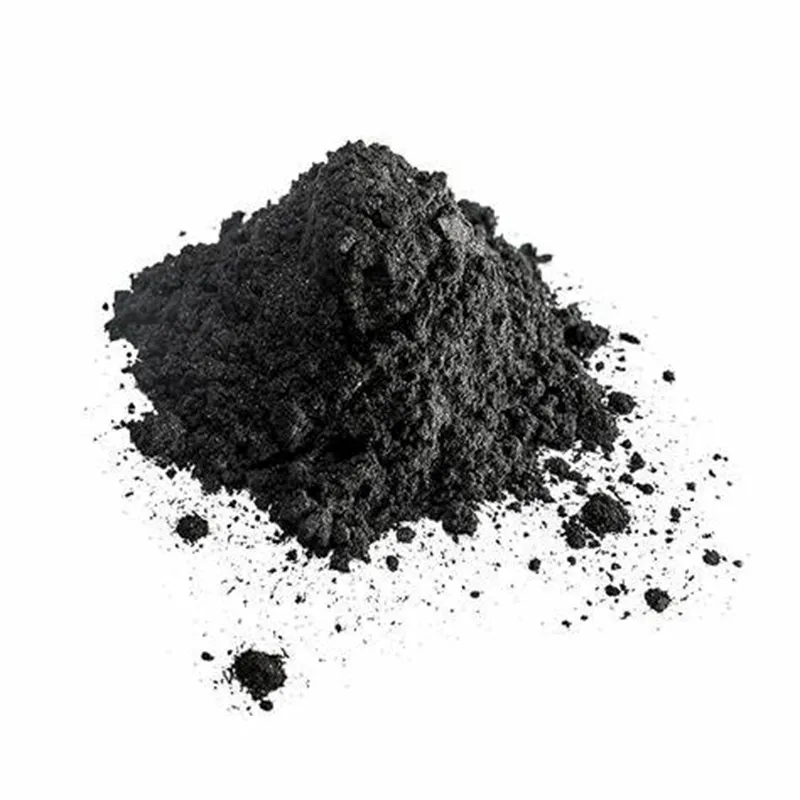
Product Details
Product Description of Palladium CAS#7440-05-3
Palladium is a transition metal of the nickel group (Group VIII) and is categorized as a light platinum-group metal in the periodic table. It presents as a silvery-white metal with moderate hardness, good forgeability, and excellent ductility. As a Group 10 transition element, palladium lies in an intermediate position across periods 4, 5, and 6.
Many of its properties are similar to those of nickel (the element above it in the group) and platinum (the element below it). Its chemical and physical behaviors are highly comparable to platinum. It is soft, silvery-white, and highly workable, enabling it to be rolled into thin sheets or drawn into ultra-fine wires.
In terms of chemical stability, palladium dissolves in aqua regia, hot concentrated nitric acid, and sulfuric acid; it is slightly soluble in hydrochloric acid, and insoluble in both cold and hot water.

Palladium Chemical Properties
| Melting point | 1554 °C(lit.) |
| Boiling point | 2970 °C(lit.) |
| Density | 1.025 g/mL at 25 °C |
| Storage temp. | No restrictions. |
| Solubility | Soluble in aqua regia |
| Form | Wire |
| Color | Silver-gray |
| Specific Gravity | 12.03 |
| Odor | Odorless |
| Resistivity | 9.96 μΩ-cm, 20°C |
| Water Solubility | INSOLUBLE |
| Merck | 146,989 |
| Exposure limits | ACGIH: TWA 1 mg/m3 |
| OSHA: TWA 15 mg/m3; TWA 5 mg/m3 | |
| Stability | Stable. Flammable - fine powder may cause fire or explosion in air. Incompatible with ozone, sodium tetrahydroborate, sulphur, arsenic. |
| InChIKey | KDLHZDBZIXYQEI-UHFFFAOYSA-N |
| CAS DataBase Reference | 7440-05-3(CAS DataBase Reference) |
| NIST Chemistry Reference | Palladium(7440-05-3) |
| EPA Substance Registry System | Palladium (7440-05-3) |
| Hazard Codes | T,F,Xi |
| Risk Statements | 61-33-37/38-40-41-36/37/38-11 |
| Safety Statements | 53-26-36/37/39-24/25-36-22 |
| RIDADR | UN 3089 4.1/PG 2 |
| WGK Germany | - |
| RTECS | RT3480500 |
| Autoignition Temperature | >1120 °F |
| TSCA | Yes |
| HazardClass | 4.1 |
| PackingGroup | III |
| HS Code | 28439000 |
| Hazardous Substances Data | 7440-05-3(Hazardous Substances Data) |
| Toxicity | LD50 oral (rat) 200 mg/kg (palladium chloride) |
| LC50 intratracheal (rat) 6 mg/kg (palladium chloride) |
Product Application of Palladium CAS#7440-05-3
Palladium is a soft, silvery-white metal naturally occurring in copper and nickel ores. Its chlorides were used in photographic and printing processes in the early 20th century and remain in use today, frequently combined with platinum for specialized printing applications.
As a versatile transition metal, palladium serves as a key catalyst in numerous chemical reactions, particularly hydrogenation processes such as those employing the Lindlar catalyst. One of its most important applications is in the catalytic hydrogenation, dehydrogenation, and cracking of petroleum, which are critical steps in organic synthesis and petroleum refining.
Together with platinum, palladium is widely used in automotive catalytic converters to reduce emissions of unburned hydrocarbons. It is also applied in the production of surgical instruments, electrical contacts, clock springs, high-performance spark plugs, and specialty wires. In the jewelry industry, it is commonly used as a component of “white gold” alloys.
Palladium–gold alloys find extensive use in dentistry and medicine, including for the repair of damaged bones and joints, as well as supporting structures for porcelain-fused-to-metal bridges. Palladium alloys are also popular in jewelry and decorative applications such as gemstone settings, watch cases, and brooches as an alternative to gold. Furthermore, palladium can absorb large volumes of hydrogen, making it a highly efficient catalyst in chemical synthesis and engine exhaust systems. Its ability to adsorb carbon also enables its use in carbon monoxide monitoring devices.