
Products Description
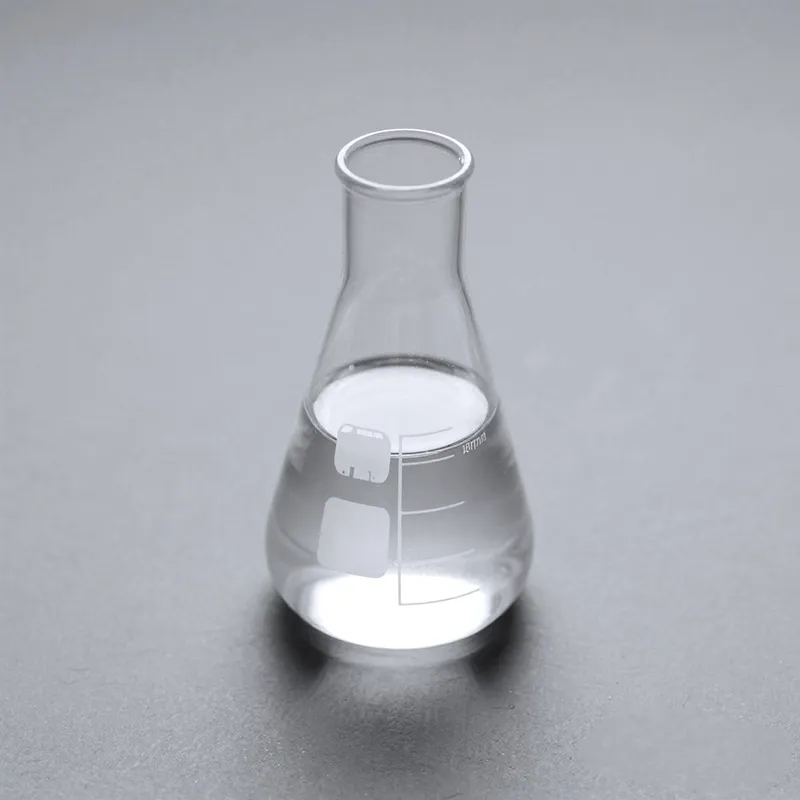
p-Cymene (4-isopropyltoluene) is an organic compound with the molecular formula C₁₀H₁₄. It is a colorless, transparent liquid that mixes well with a wide range of organic solvents. It does not dissolve in water, but dissolves readily in ethanol, ether, acetone, chloroform and other organic solvents.
Owing to its favorable chemical properties, p-cymene is widely used in organic synthesis and serves as an important ingredient in the preparation of paint thinners and other chemical products
Chemical Properties
| Melting point | -68 °C |
| Boiling point | 176-178 °C(lit.) |
| density | 0.86 g/mL at 25 °C(lit.) |
| vapor density | 4.62 (vs air) |
| vapor pressure | 1.5 mm Hg ( 20 °C) |
| refractive index | n20/D 1.490(lit.) |
| FEMA | 2356 | P-CYMENE |
| Fp | 117 °F |
| storage temp. | 2-8°C |
| solubility | Chloroform (Sparingly), Ethyl Acetate (Slightly) |
| form | Liquid |
| color | Clear |
| Odor | Mild, pleasant; aromatic, solvent-type. |
| Odor Type | terpenic |
| Odor Threshold | 0.057ppm |
| explosive limit | 0.056 |
| Water Solubility | PRACTICALLY INSOLUBLE |
| Merck | 142763 |
| JECFA Number | 1325 |
| BRN | 1903377 |
| Dielectric constant | 2.3(17℃) |
| Stability: | Stable. Flammable. Incompatible with strong oxidizing agents, strong acids, strong bases. |
| InChIKey | HFPZCAJZSCWRBC-UHFFFAOYSA-N |
| LogP | 4.1-4.8 at 20℃ |
| CAS DataBase Reference | 99-87-6(CAS DataBase Reference) |
| NIST Chemistry Reference | Benzene, 1-methyl-4-(1-methylethyl)-(99-87-6) |
| EPA Substance Registry System | p-Cymene (99-87-6) |
| Hazard Codes | Xi |
| Risk Statements | 10-36/37/38 |
| Safety Statements | 26-36 |
| RIDADR | UN 2046 3/PG 3 |
| WGK Germany | 2 |
| RTECS | GZ5950000 |
| Autoignition Temperature | 817 °F |
| TSCA | Yes |
| HazardClass | 3 |
| PackingGroup | III |
| HS Code | 29029090 |
| Hazardous Substances Data | 99-87-6(Hazardous Substances Data) |
| Toxicity | LD50 orally in rats: 4750 mg/kg (Jenner) |
Product Application
p-Cymene serves as a raw material for the production of p-cresol and acetone, and acts as an important intermediate in the manufacture of dyes, pharmaceuticals and related chemical products.
It occurs naturally in various essential oils and is also used in related applications, thanks to its expectorant, cough-relieving and respiratory-soothing properties.