

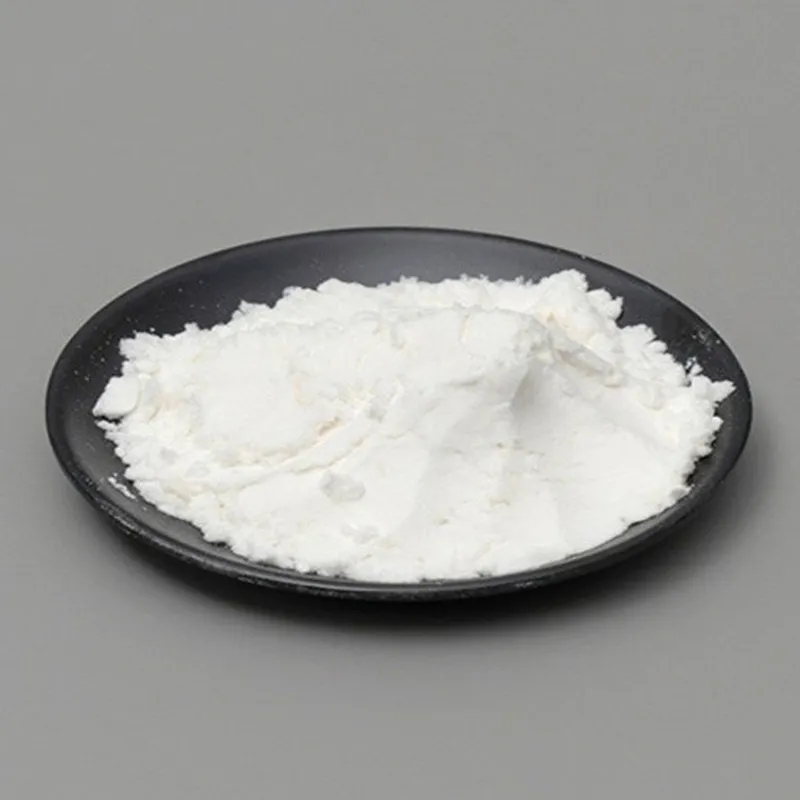
Products Description of Inositol CAS#87-89-8
Myo‑Inositol, also called cyclohexitol or hexahydroxycyclohexane, belongs to the B‑vitamin complex. Variations in the spatial orientation of hydroxyl groups on the ring produce nine isomers: seven optically inactive forms plus one L‑isomer and one D‑isomer.
Widely distributed in animal and plant cells as free or bound inositol, it can also be synthesized by gut microorganisms. It participates in carbohydrate and lipid metabolism. Within animal bodies, it predominantly exists as phosphatidylinositol, with high levels found in the brain, myocardium and skeletal muscle.
Inositol Chemical Properties
| Melting point | 222-227 °C (lit.) |
| Boiling point | 232.96°C (rough estimate) |
| density | 1.75 |
| vapor density | 6.2 (vs air) |
| refractive index | 1.6170 (estimate) |
| storage temp. | 2-8°C |
| solubility | H2O: 0.5 M at 20 °C, clear, colorless |
| pka | 12.63±0.70(Predicted) |
| form | Crystalline Powder |
| color | White |
| PH | 5-7 (100g/l, H2O, 20℃) |
| Odor | odorless |
| Water Solubility | 14 g/100 mL (25 ºC) |
| Merck | 144978 |
| BRN | 1907328 |
| Stability: | Stable. Combustible. Incompatible with strong oxidizing agents. |
| InChIKey | CDAISMWEOUEBRE-GPIVLXJGSA-N |
| LogP | -2.08 |
| CAS DataBase Reference | 87-89-8(CAS DataBase Reference) |
| NIST Chemistry Reference | Hexahydroxycyclohexane(87-89-8) |
| EPA Substance Registry System | myo-Inositol (87-89-8) |
| Safety Statements | 22-24/25 |
| WGK Germany | 2 |
| RTECS | NM7520800 |
| TSCA | Yes |
| HS Code | 29061390 |
Product Application of Inositol CAS#87-89-8
Inositol participates in the body’s lipid metabolism. It supports the absorption of vitamin preparations and lipid‑supporting ingredients, and promotes fat turnover and cell growth in the liver and other tissues.
It is a popular additive for food and animal feed. It is commonly incorporated into feed for fish, shrimp, livestock and poultry, with a recommended dosage of 350–500 mg/kg.
It also serves as a functional raw material for pharmaceuticals, fine chemicals and cosmetics. It can be formulated into high‑end skincare products and enjoys high commercial value.


