

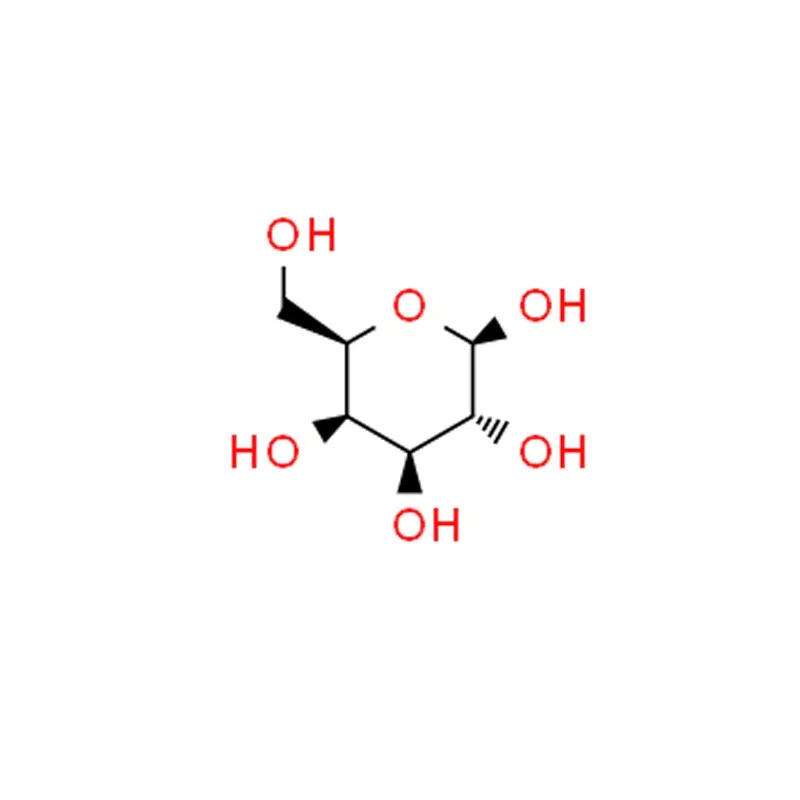
Product Details
β‑Galactosidase (CAS No.: 9031‑11‑2) belongs to the glycoside hydrolase family. It functions to trigger the hydrolysis of β‑galactosidic linkages. This enzyme naturally exists in microbes, plants and animals, which lays a foundation for its diversified characteristics and broad application scope. For commercial supply, it is mainly provided in two grades: white to pale yellow powder and liquid preparations. The powdered type features superior flowability for simpler storage and shipment. Liquid products generally show a pale yellow to light brown appearance and may be transparent or faintly turbid; buffering agents and stabilizers are usually incorporated to retain its enzymatic activity.
β-Galactosidase Chemical Properties
| Melting point | 100 °C |
| Boiling point | 100 °C(Press: 800 Torr) |
| Density | 1.14 g/cm3(Temp: 4 °C) |
| Storage temp | -20°C |
| Solubility | 1% acetic acid: 1 mg/mL |
| Form | powder |
| Color | slightly yellow |
| PH | 7.3-7.7 |
| Biological source | Escherichia coli |
| Water Solubility | Soluble in water |
| λmax | 405 |
| Specific Activity | 750-950U/mg |
| EPA Substance Registry System | Galactosidase, .beta.- (9031-11-2) |
Safety Information
| Hazard Codes | Xn |
| Risk Statements | 22 |
| Safety Statements | 24/25 |
| WGK Germany | 3 |
| RTECS | LW5840000 |
| F | 3-10 |
| HS Code | 35079090 |
β‑Galactosidase (CAS No.: 9031‑11‑2) gains extensive industrial use for its capacity to hydrolyze β‑galactosidic bonds. Within the food sector, its major application lies in the manufacture of low‑lactose dairy goods including lactose‑free milk and ice cream, helping solve problems related to lactose intolerance. Besides this, the enzyme is also adopted for lactose recycling during whey treatment, the synthesis of functional oligosaccharides such as galactooligosaccharides, and fruit juice clarification processes.