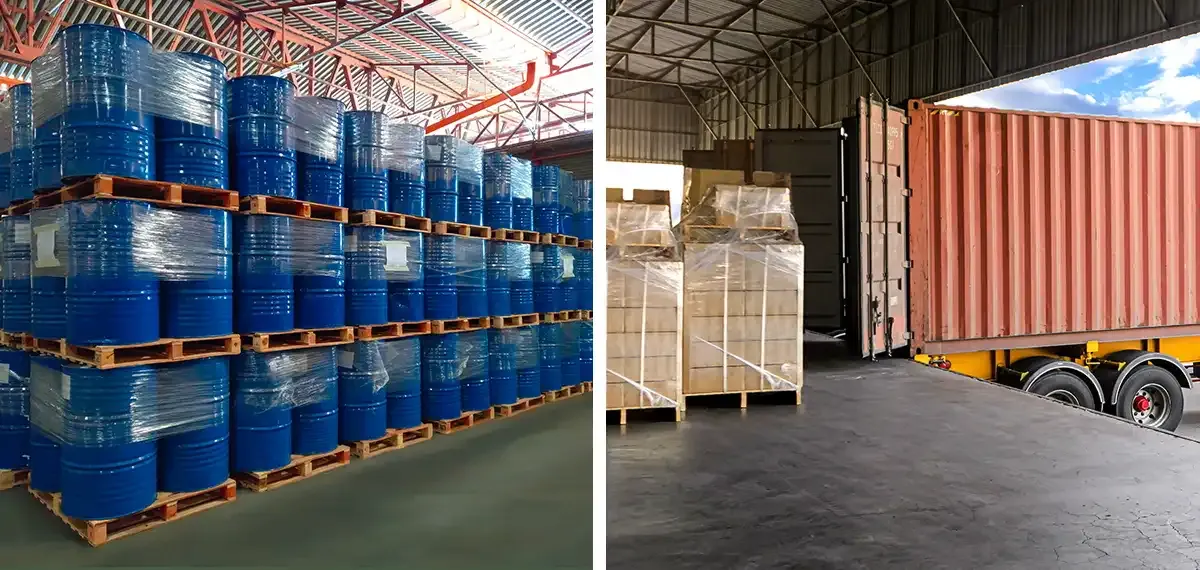

Polyethylene Terephthalate (PET) appears as a colorless to pale yellow solid. Boasting excellent heat resistance, outstanding mechanical performance and reliable chemical stability, it offers strong tolerance to solvents and corrosive substances while sustaining consistent performance across a wide temperature spectrum.

Chemical Properties
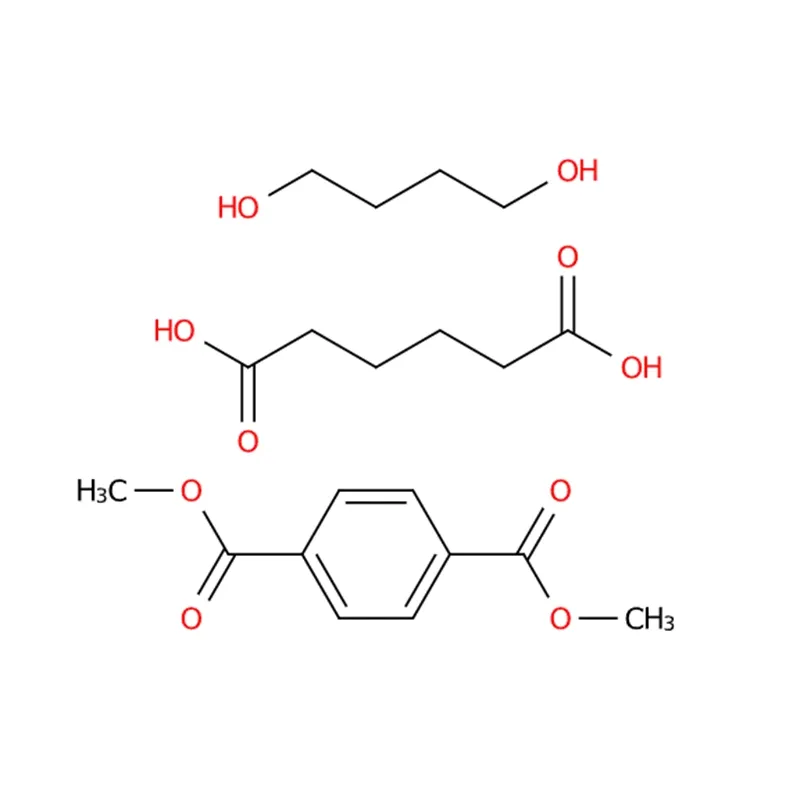
English Name | 1,4-Benzenedicarboxylic acid, 1,4-dimethyl ester, polymer with 1,4-butanediol and hexanedioic acid |
English Synonyms | 1,4-Benzenedicarboxylic acid, 1,4-dimethyl ester, polymer with 1,4-butanediol and hexanedioic acid;1,4-Be nzenedicarboxylic acid, dimethyl ester, polymer with 1,4-butanediol and hexanedioic acid;Adipic acid compound with dimethyl terephthalate and butane-1,4-diol;Polybutylene Adipate Terephthalate;Pbat Resin |
CAS Number | 55231-08-8 |
Molecular Formula | C20H30010 |
Molecular Weight | 430.45 |
EINECS Number | 201-074-9 |
Storage conditions | Store at room temperature |
Appearance | White to off-white solid |
Cosmetic ingredients and efficacy | EXFOLIATING |
Applications
As a core feedstock for polyester resins, PET is extensively adopted in various industries to manufacture plastic articles, coatings, adhesives, fibers and synthetic leather. Thanks to its outstanding mechanical strength and thermal stability, it is perfect for producing finished goods with superior weather resistance and structural robustness.