
Products Description
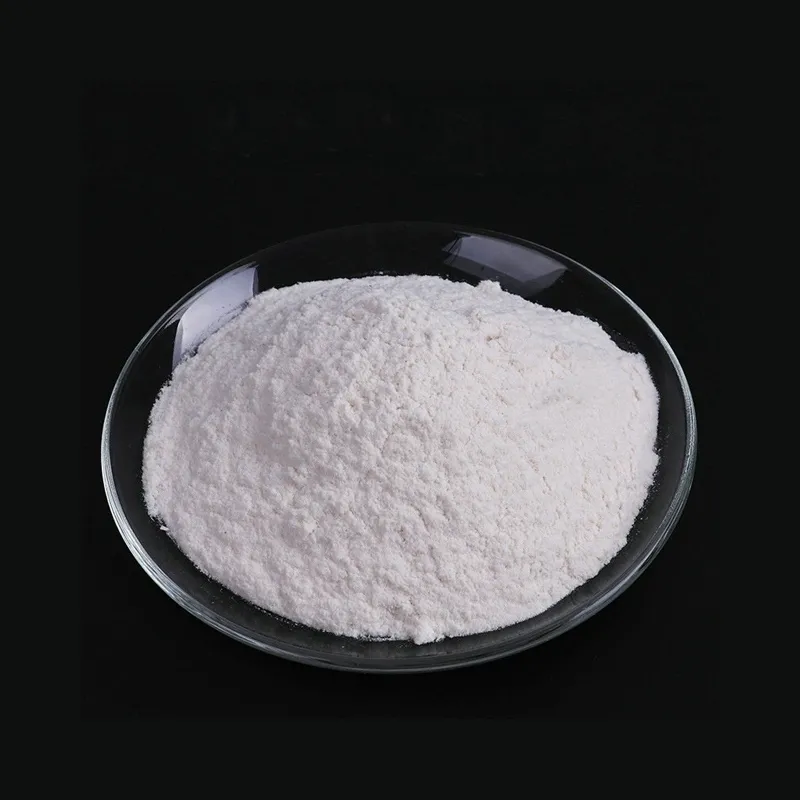
Lopol, whose chemical name is 2‑bromo‑2‑nitro‑1,3‑propanediol and is alternatively named bromonitrol or antibacterial alcohol, appears as white crystals and has a melting‑point range of 122‑130°C.
It dissolves easily in water, ethanol, propylene glycol and ethyl acetate, shows limited solubility in oils, and is barely soluble in solvents including chloroform and acetone
Properties
| Density | 1.91 |
| Melting point | 124-129℃ |
| Boiling point | 358 °C at 760 mmHg |
| Refractive index | 1.574 |
| Flash Point | 170.3 °C |
| Vapour Pressure | 0.0±1.8 mmHg at 25°C |
| Precise Quality | 198.948 |
| PSA | 86.28 |
| logP | -0.1379 |
| Solubility | H2O: soluble100mg/mL, clear, colorless to faintly yellow |
| Appearance | White to slightly yellow crystals or crystalline powder |
| Storage | Ambient temperatures. |
| Chemical Properties | off-white crystalline powder |
| Physical Properties | Colorless, white, or pinkish crystals with a slight phenolic odor. On exposure to air it slowlybecomes light brown. |
| Color/Form | White to yellow |
| Contact Allergens | Bronopol is a preservative sometimes considered as aformaldehyde releaser. It was reported to be an allergenin cosmetics, cleaning agents, dairy workers, and alubricant jelly used for ultrasound examination. |
| Decomposition | The substance decomposes on heating or on burning producing toxic and corrosive fumes, including hydrogen bromide and nitrogen oxides. |
| Odor | Odorless |
| pKa | 12.02±0.10(Predicted) |
| Water Solubility | 25 g/100 mL (22 oC) |
| Spectral Properties | MASS: 75372 (NIST/EPA/MSDC Mass Spectral Database, 1990 version); 1023 Wiley |
| Stability | Stable. Hygroscopic. Incompatible with strong oxidizing agents, strong bases, strong reducing agents, acid chlorides and anhydrides, moisture. |
| StorageTemp | Inert atmosphere,Room Temperature |
Product Application
Bropol exhibits potent activity against a wide spectrum of phytopathogenic bacteria and is primarily employed for seed dressing.
Thanks to its broad‑spectrum bactericidal performance, it has served as a disinfectant within the pharmaceutical sector dating back to the 1960s. As the cosmetics industry expanded swiftly, its favorable water solubility and robust antimicrobial capacity also made it a popular preservative for cosmetic formulations.
Over recent years, Bropol has found rising adoption across many fields: animal feed, coatings, fur conservation, circulating water sterilization for air‑conditioning systems, biocidal treatment for oilfield injected water, as well as sanitization for aircraft, vehicles and vessels, which drives steady expansion of its market demand.