
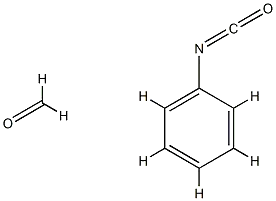
Appearing as a light yellow molten solid, this compound has a strong, pungent and irritating odor and tends to release volatile vapors that may cause discomfort upon inhalation. It features excellent solubility in various organic solvents including acetone, benzene, kerosene and nitrobenzene, supporting flexible formulation and diverse chemical processing applications, while exhibiting only limited solubility in water. Due to its volatility and potential health risks from prolonged fume exposure, strict protective measures are required during handling and usage.
Melting point | 38-44 °C |
Boiling point | 392 °C |
density | 1.19 |
vapor pressure | 0.066 hPa (20 °C) |
refractive index | 1.5906 (estimate) |
Fp | 196 °C |
storage temp. | -20°C |
solubility | 2g/l (decomposition) |
form | solid |
color | White to Almost white |
Specific Gravity | 1.180 |
explose limit | 0.4%(V) |
Water Solubility | decomposes |
FreezingPoint | 37℃ |
Sensitive | Moisture Sensitive/Lachrymatory |
BRN | 797662 |
Exposure limits | TLV-TWA 0.051 mg/m3 (0.005 ppm) (ACGIH and NIOSH); ceiling (air) 0.204 mg/m3 (0.02 ppm)/10 min (NIOSH and OSHA); IDLH 102 mg/m3 (10 ppm). |
Dielectric constant | 10.0(Ambient) |
Stability: | Stable. Combustible. Incompatible with strong oxidizing agents. Reacts violently with alcohols. |
CAS DataBase Reference | 101-68-8(CAS DataBase Reference) |
NIST Chemistry Reference | Benzene, 1,1'-methylenebis[4-isocyanato-(101-68-8) |
IARC | 3 (Vol. 19, Sup 7, 71) 1999 |
EPA Substance Registry System | 4,4'-Methylenedi(phenyl isocyanate) (101-68-8) |
Safety Information
Hazard Codes | Xn,T,C |
Risk Statements | 42/43-36/37/38-20-48/20-40 |
Safety Statements | 45-36/37-23 |
RIDADR | 2206 |
OEB | D |
OEL | TWA: 0.05 mg/m3 (0.005 ppm), Ceiling: 0.2 mg/m3 (0.020 ppm) [10-minute] |
WGK Germany | 1 |
RTECS | NQ9350000 |
Autoignition Temperature | >600 °C |
Hazard Note | Toxic/Corrosive/Lachrymatory/Moisture Sensitive |
TSCA | Yes |
HazardClass | 6.1 |
PackingGroup | II |
HS Code | 29291090 |
Hazardous Substances Data | 101-68-8(Hazardous Substances Data) |
Toxicity | LD50 orally in Rabbit: > 5000 mg/kg LD50 dermal Rabbit > 9000 mg/kg |
IDLA | 75 mg/m3 |
Product categories cover cyanides, isocyanates and their derivatives, polyurethane raw materials, organic synthesis building blocks, isocyanate esters, diphenylmethanes for high-performance polymer development, pyridines and halogenated heterocyclic compounds, organic intermediates, fundamental organic chemicals, functional fine chemicals, polymer research reagents, analytical reference standards, new material synthetic feedstocks and assorted chemical additives.