

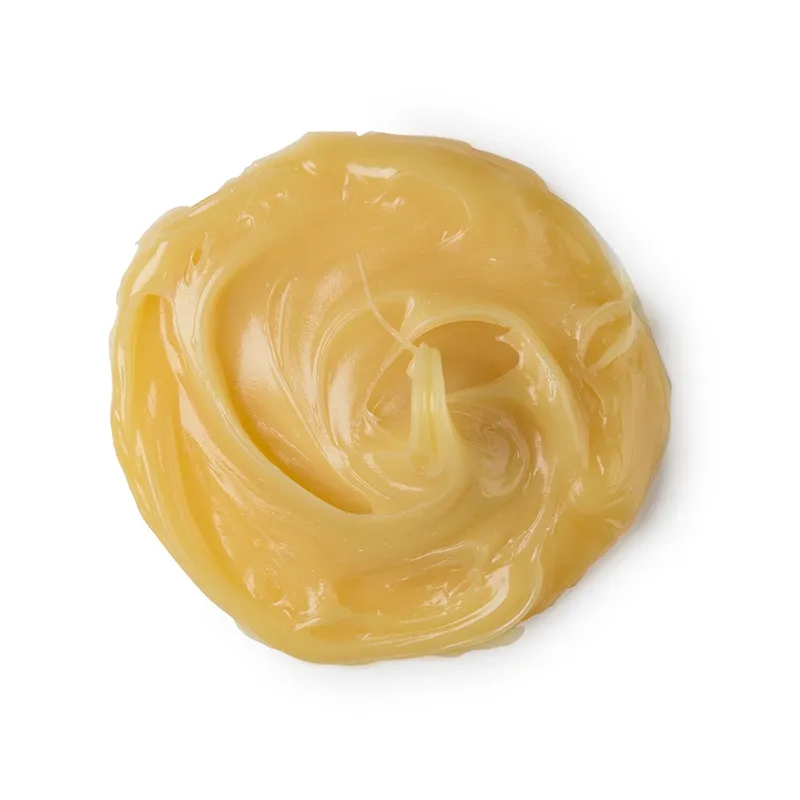
Product Details
Lanolin oil is a natural secretion produced by sheep’s skin and closely resembles human sebum, the oil generated by sebaceous glands, especially noticeable on the nose. Unlike sebum, lanolin does not contain triglycerides, which is why the term “wool fat” can be misleading. Its primary biological function is to nourish and protect sheep’s wool. Owing to these excellent conditioning and protective properties, lanolin is widely used in cosmetics, skincare, and hair care products. Lanolin oil is obtained by centrifuging sheep’s wool after shearing, a process that separates the oil from impurities without causing any harm to the animals.

Lanolin Chemical Properties
| Melting point | 38-40 °C |
| Density | 0.932-0.945 g/cm3(Temp: 15 °C) |
| Fp | 209 °C |
| Storage temp. | Sealed in dry,Room Temperature |
| Solubility | chloroform: 0.1 g/mL, clear to faintly turbid (<29 NTU), strongly yellow-green |
| Form | Adhering Crystals or Powder |
| Color | White to yellow |
| Odor | Characteristic |
| Water Solubility | Soluble in ether, petroleum ether, chloroform and petroleum benzene. Sparingly soluble in ethanol. Insoluble in water. |
| Merck | 145,358 |
| Dielectric constant | 4.2(Ambient) |
| EPA Substance Registry System | Lanolin (8006-54-0) |
Product Usage
Lanolin functions as an effective emollient with strong moisturizing properties and also serves as an emulsifier with a high capacity for water absorption. Unlike petrolatum (Vaseline), which forms an occlusive film, lanolin creates a breathable network on the skin’s surface. Long-term studies indicate that allergic reactions to lanolin occur at a relatively low rate; however, it remains a debated ingredient due to concerns about possible pesticide residues and potential comedogenic effects. In response, premium lanolin producers are increasingly focusing on manufacturing low-pesticide lanolin, while high-end cosmetic formulators prefer to use the purest available grades. The comedogenic nature of lanolin is also being re-evaluated, with some researchers suggesting that such concerns may be overstated, particularly when lanolin is incorporated into emulsions. Lanolin is derived from sheep’s wool and is a wax-like, viscous substance secreted by the sebaceous glands of sheep, often regarded as a natural wax.